Information
- Address: Zamkowa 1, Brodnica
- Page: http://portal.muzeum.brodnica.pl/
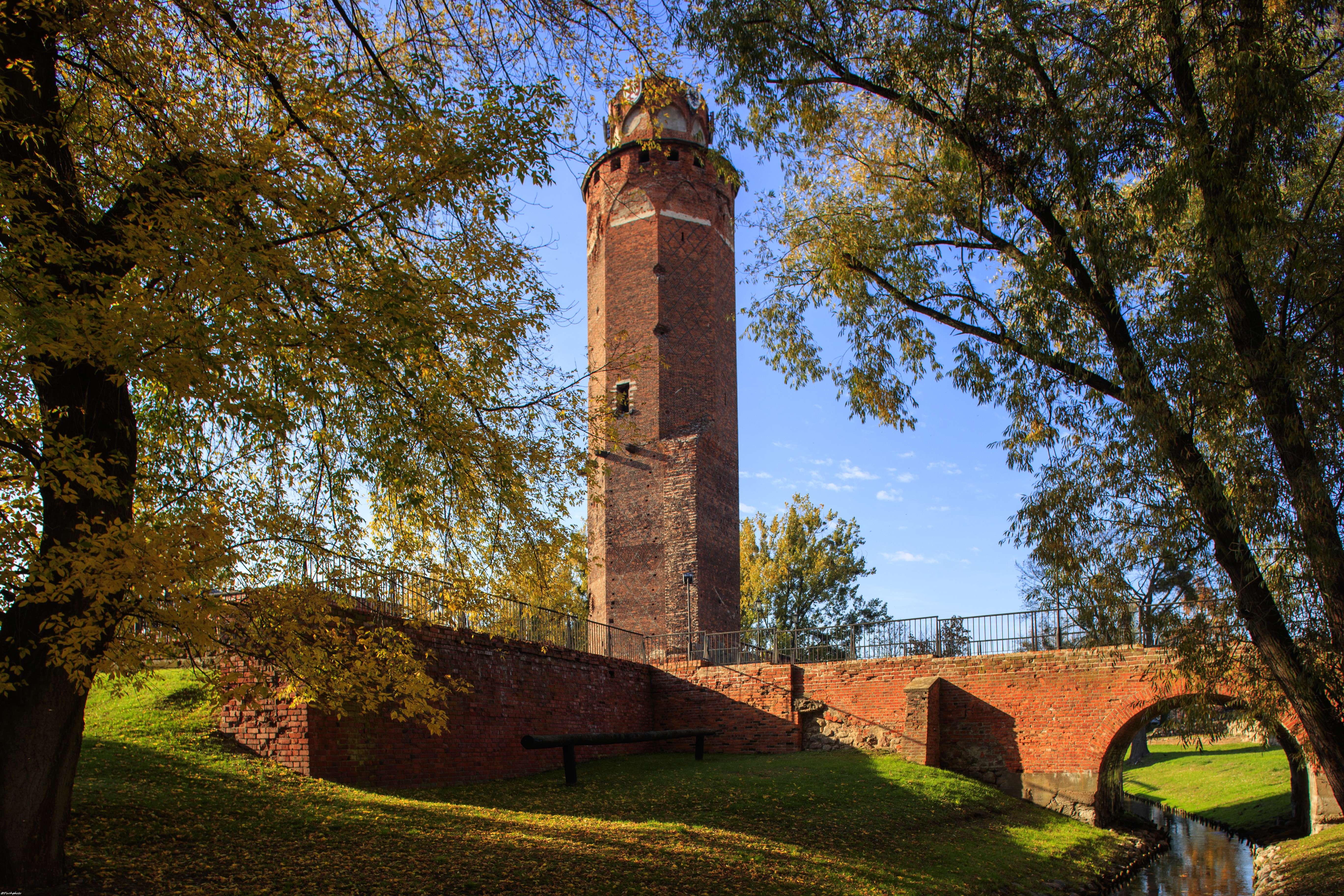
The construction of the Teutonic commander's castle began at the beginning of the 14th century. The castle courtyard was surrounded by four wings. In three of their corners, turrets were placed in front of the base. A powerful tower of last defense was built in the northern corner. The Brodnica castle was one of the largest in the Teutonic state.
Polish troops fought against the Teutonic Knights for many years. The end of their reign brought the Second Peace of Toruń, ending the Thirteen Years' War. The commanders were replaced by Polish hosts. In the years 1485-1604, the Brodnica district remained in the hands of the Działyński family. In 1604, King Sigismund III Vasa gave it to his sister, Anna Vasa, who created a strong intellectual center here, known for religious tolerance. The princess, who was interested in music and literature, became a patron of young artists and people with scientific passions. She was passionate about botany and herbalism, she grew medicinal plants and prepared her own medicines. She performed the duties of host in two centers - in 1611 she also took over the Golub district. Anna Wazówna died on February 6, 1625 in Brodnica. Due to her religion (unlike her brother, King Sigismund III Vasa, a staunch Catholic, she was a Protestant) consent was not granted for burial in the Vasa family crypt in the Wawel Cathedral. For 11 years, the princess's body rested in the Brodnica castle. In 1636, Anna Vasa's nephew, King Władysław IV, gave her a funeral worthy of the royal family. Her final resting place was the Protestant church of the Blessed Virgin Mary in Toruń.
The castle suffered heavily during the Swedish wars. During the Prussian rule, it was subjected to gradual demolition, which was suspended by the decision of Frederick William IV in 1842. Today, the remains of the Teutonic castle include a 54-meter tower raising over the city, relics of the defensive wall and castle cellars, filled with exhibits presenting the history of this place.
Related routes


Gallery