Information
- Address: PTTK 13, Golub
- Page: https://www.zamekgolub.pl/
- Facebook: zamekgolubski/?locale=pl_PL
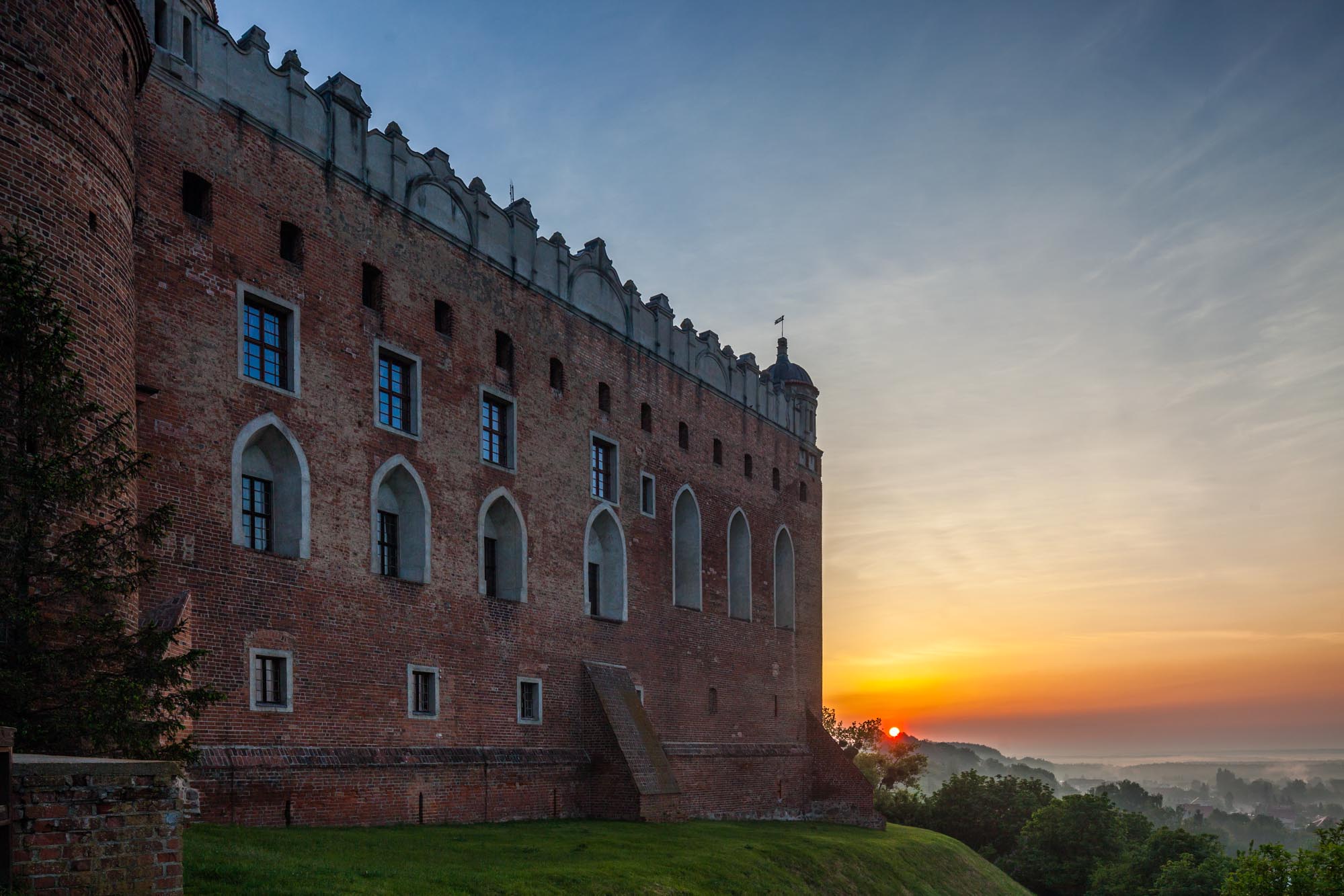
Golub-Dobrzyń delights with the Teutonic castle towering over the city. Although built by the Teutonic Knights, its appearance resembles a Renaissance palace residence rather than a Gothic stronghold. This is thanks to Anna Wazówna. When in 1611, King Sigismund III Vasa granted the Golub district to his sister, the former Teutonic fortress gained the status of the princess's summer residence. She liked the Golub castle so much that she takes care of it to this day. Supposedly, you can see her, dressed in a white robe, walking around the castle cloisters at night...
From the courtyard to the first floor of the castle there are so-called horse stairs. They owe their name to the knights who rode them on horseback to the very chambers. A local legend warns - whoever looks back while climbing the stairs will neigh at the most inopportune moment during the year. Standing on the cloister, it is worth entering one of the small rooms hidden in the wall. These are former penitential cells in which sinful monks were locked up so that they could pray in isolation to atone for their sins. Apparently anyone with something on their conscience should enter the cell and their sins will be forgiven. The castle chapel has retained its original Gothic character. There is an infirmary next to it. This is a hospital room where the monks received medical care, and in the following years Anna Wazówna practiced herbal medicine. In the refectory, a place where monks once ate meals and held feasts, today you can see replicas of old artillery weapons. In the chapter house, the former assembly hall where the Teutonic Knights held councils, and in later times Anna Vasa had her bedroom, there is a portrait of the princess. This painting is said to have covered one of the castle's secrets - a secret passage hidden in the wall...
The sound of horses' hooves, the clash of armor and brave cries. The former Teutonic stronghold is a place where history comes alive again and again. Every year, Golubski Castle attracts brave knights who compete during the Great Knightly Tournaments.
Gallery