Information
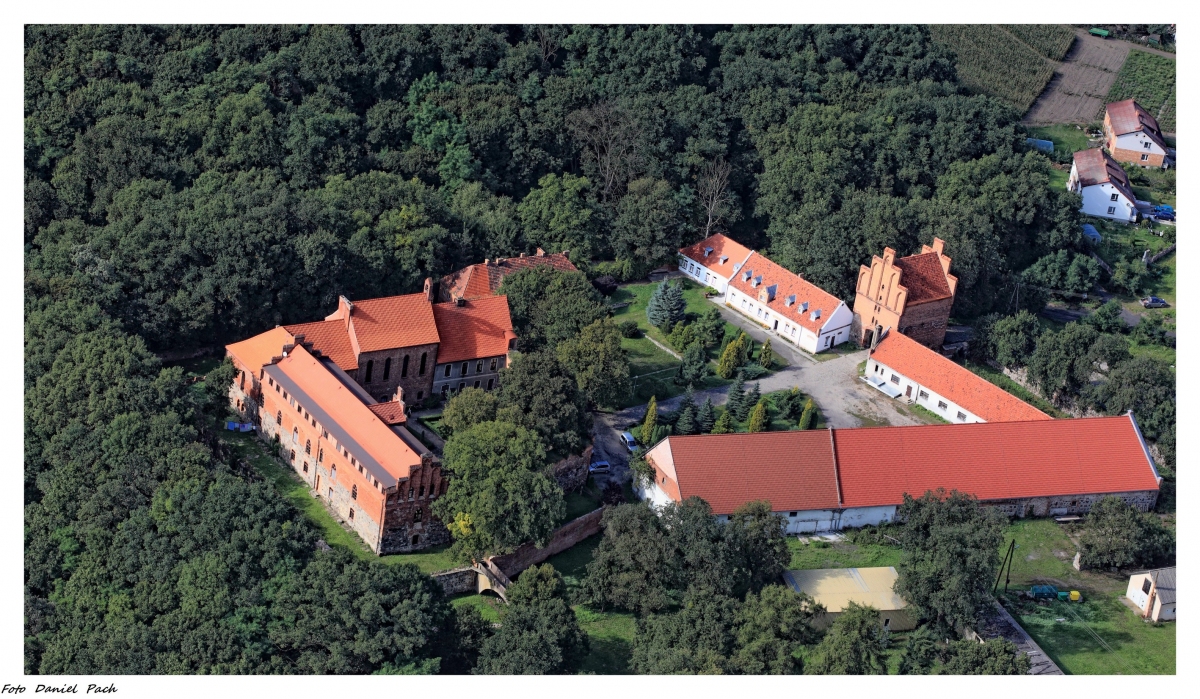
Although we have no evidence that Nicolaus Copernicus ever stayed here, it is difficult to imagine that he was not familiar with the local Gothic castle, one of the oldest Teutonic strongholds. In addition, the castle and its farmstead were owned by the city of Toruń at that time. Built of brick and stone between the second half of the 13th and the beginning of the 14th century, it was a defensive seat of a religious order headed by the commander of Bierzgłowo. It remained in the possession of the Teutonic Knights until 1454. Of particular value is a ceramic bas-relief depicting three knights, which is considered one of the most important works of its kind in Europe from the turn of the 13th and 14th centuries. From the 16th to the 19th century, the castle was under the care of the Toruń city authorities, and then it remained in private hands. It was destroyed by fires several times. In the interwar period, it belonged to the Chełmno bishopric, and after the war, a social welfare home was established here. Since 2001, it has been the seat of the Diocesan Cultural Center, which organizes retreats, concerts, lectures, and invites guests to "spiritual rest" in one of 22 rooms adapted for this purpose.
Gallery